

The Gut-Brain Connection: Tending to Your Inner Garden
The Gut-Brain Connection: Tending to Your Inner Garden
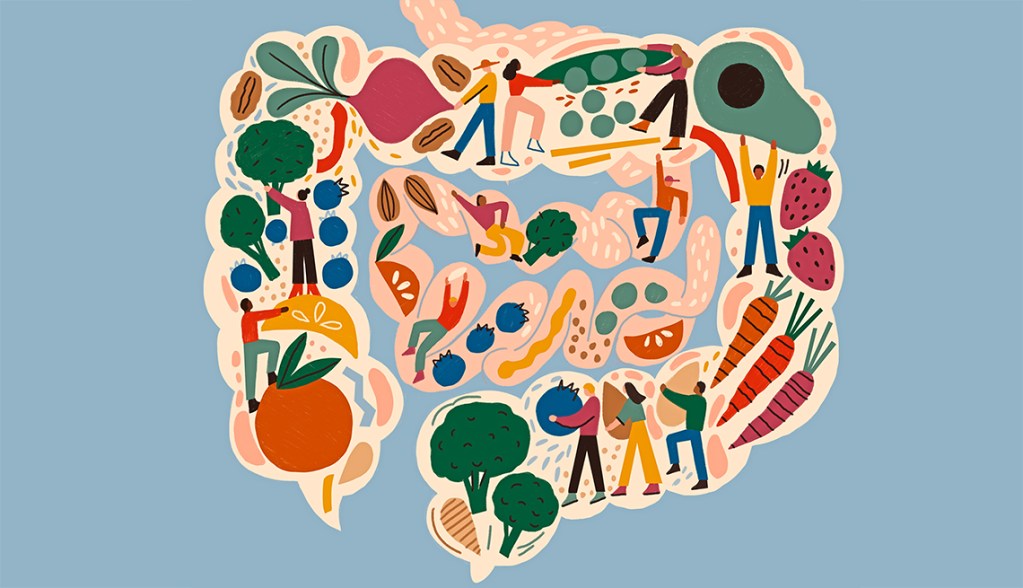
Imagine your gut as a vibrant, thriving garden. Just like a garden needs nutrient-rich soil, proper watering, and the right amount of sunlight to flourish, your gut requires a balanced diet, adequate sleep, regular movement, and stress management to function optimally. When we neglect our gut health, it’s like leaving our garden unattended—allowing weeds to overtake, soil to deplete, and plants to wither. This inner ecosystem, known as the gut microbiome, plays a crucial role in our overall well-being, influencing everything from digestion to mood regulation.
Tending to your Garden: The Role of Food
The food we eat acts as fertilizer for our gut. Whole, fiber-rich foods like fruits, vegetables, legumes, and fermented foods provide beneficial bacteria the nutrients they need to thrive. Processed foods, excess sugar, and artificial additives, on the other hand, are like chemical-laden pesticides, disrupting the delicate balance of our microbiome. When the bad bacteria take over, it leads to inflammation, digestive issues, and even mental health struggles like anxiety and depression
The Weeds of Stress
Just as weeds can strangle the life out of a flourishing garden, chronic stress wreaks havoc on the gut. When we’re stressed, our body produces more cortisol, which alters the gut’s environment and contributes to digestive distress, bloating, and an imbalance in the gut flora. Stress also weakens the gut lining, allowing toxins to seep into the bloodstream—a condition known as leaky gut. Over time, this can lead to inflammation and immune dysfunction, further disrupting our mental and physical health.
Sleep: The Restorative Sunlight
A garden deprived of sunlight struggles to grow, and the same goes for your gut when you don’t get enough sleep. Poor sleep disrupts the gut microbiome, reducing the diversity of beneficial bacteria and increasing the production of stress hormones. This, in turn, negatively impacts digestion, mood, and even our ability to regulate hunger hormones, leading to cravings for unhealthy foods. Prioritizing quality sleep is like ensuring your garden gets enough sunshine—it’s essential for sustaining a balanced gut and overall well-being.
Movement: The Gentle Rain that Feeds the Soil
Physical activity is to your gut what rain is to a garden—it stimulates growth, circulation, and nutrient absorption. Exercise promotes a healthier microbiome by increasing beneficial bacteria and reducing inflammation. A sedentary lifestyle, on the other hand, stagnates digestion and contributes to imbalances in the gut. Just like a well-watered garden flourishes, an active body supports a resilient, thriving gut.
When the Garden Withers: The Impact of Poor Gut Health
When our gut is out of balance, the effects ripple through our entire body. One of the most significant consequences is hormonal imbalance. The gut helps regulate hormones like serotonin (the happiness hormone), insulin, and cortisol, all of which influence mood, metabolism, and stress response. Poor gut health can lead to anxiety, depression, fatigue, and even conditions like insulin resistance and thyroid dysfunction.
Additionally, an unhealthy gut impairs the body’s ability to absorb essential vitamins and minerals. No matter how nutritious our diet is, if our gut isn’t functioning properly, we can’t extract and utilize the nutrients we need. This can lead to deficiencies, weakened immunity, and chronic inflammation, further exacerbating health issues.
Cultivating a Thriving Gut Garden
Tending to your gut is much like nurturing a garden—it requires patience, care, and consistency. Here are some ways to cultivate a healthy gut:
- Eat a diverse, whole-food diet rich in fiber, prebiotics, and probiotics.
- Manage stress through mindfulness, meditation, and deep breathing exercises.
- Prioritize quality sleep by maintaining a consistent sleep schedule and avoiding screens before bed.
- Move your body daily with activities like walking, yoga, or strength training.
- Stay hydrated to support digestion and nutrient absorption.
By treating your gut like a cherished garden, you create the foundation for lasting health, balance, and vitality. The more care and attention you give it, the more it will reward you with a flourishing body and a thriving mind.

How can we help?
Here at Centered Health we can evaluate how different stimuli — such as foods, environmental toxins, or emotional stress—affect the body’s neuromuscular response.
We can help pinpoint gut-brain issues by:
- Identifying Food Sensitivities and Nutrient Deficiencies
- Detecting Leaky Gut and Dysbiosis
- Assessing Stress (emotional, environmental or physical), and Its Impact on the Gut
- Evaluating Hormonal Imbalances Linked to Gut Health
- Supporting Detoxification and Gut Repair
Allow us to help you nurture your gut like a garden, and it will reward you with a mind that flourishes and a body that thrives.
Much love,
Allison